
Tips for Staying Focused During Home Workouts

Working out at home sounds convenient, but many people quickly discover that staying focused can be surprisingly difficult. Household noise, phones, television, and everyday responsibilities often interrupt exercise sessions before they gain momentum. Unlike gyms, which naturally create an environment dedicated to physical activity, home spaces mix relaxation, work, and movement in the same area. Because of this, building concentration during a home workout requires a bit of planning and mental preparation. Interestingly, discussions about attention and environment also appear in entertainment analysis, such as the conversation referenced in where is ally mcbeal set, which highlights how atmosphere and sound influence focus and engagement. Those ideas translate well to fitness habits too. With a few smart adjustments to routine and surroundings, anyone can turn their home into a space where workouts remain productive and consistent.
Create a Dedicated Workout Space
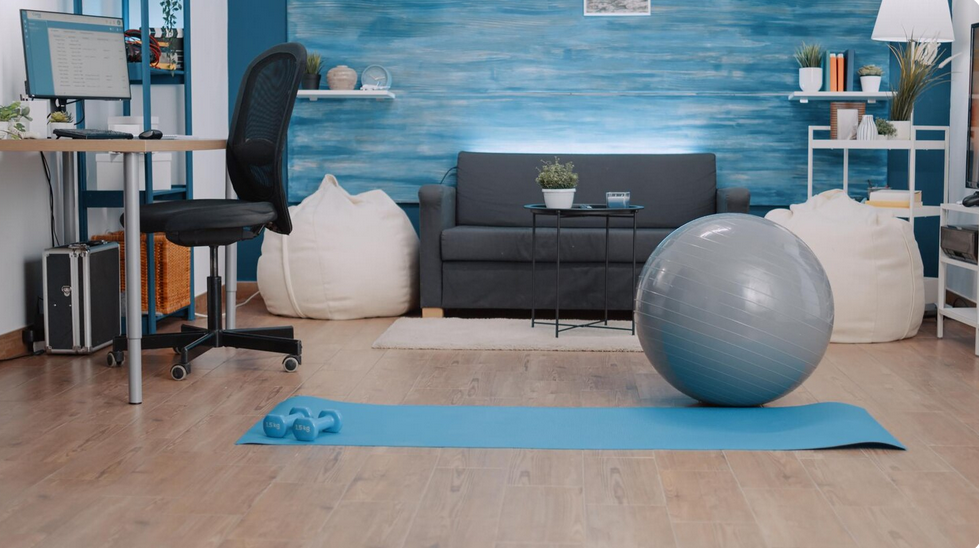
One effective way to improve focus during home workouts is to set aside a small area specifically for exercise. Even if your living space is limited, a simple corner with a yoga mat, a pair of dumbbells, or resistance bands can work well. The key is consistency. When you repeatedly train in the same location, your mind begins to associate that spot with physical activity rather than relaxation. Over time, stepping into that area signals that it is time to move and stay active. Removing clutter also helps because a clean space reduces visual distractions that may interrupt your concentration. Good lighting and proper airflow can also make the environment feel more inviting, which helps maintain motivation during each session.
Use Music to Boost Concentration
Music has a strong influence on energy levels and focus during physical activity. Many people notice that workouts feel smoother and more enjoyable when accompanied by the right playlist. Fast-paced music often encourages quicker movements and can help maintain rhythm during exercises such as running, jumping, or cycling. On the other hand, slower instrumental tracks may work better during stretching sessions, yoga routines, or cooldown periods. Preparing your playlist before starting the workout is important because searching for songs in the middle of exercise interrupts your rhythm. A steady stream of music allows you to move from one exercise to another without losing momentum. Over time, certain songs may even become motivational triggers that push you through challenging moments.
Follow a Clear Workout Plan
A lack of direction can cause focus to drift quickly during home workouts. Many people begin exercising without deciding exactly what they will do, which leads to random movements and shorter sessions. A structured plan solves this problem by giving each workout a clear path. Before starting, decide which exercises you will perform, how many repetitions to complete, and how long the session will last. For example, you might plan ten minutes of warm-up exercises, twenty minutes of strength training, ten minutes of cardio activity, and a few minutes of stretching at the end. Writing the plan down or keeping it on a nearby board can help you stay committed to finishing the entire routine without unnecessary pauses.
Limit Phone and Screen Distractions

Mobile phones can easily break concentration during a workout. Notifications, messages, and social media alerts constantly compete for attention, making it harder to stay mentally present during exercise. One simple solution is to place the phone on silent mode or leave it across the room while training. If you need the device for music or timing intervals, consider disabling notifications temporarily. Another helpful approach is using a simple workout timer that signals when to start or stop each exercise. By reducing digital interruptions, your attention remains on breathing patterns, posture, and muscle engagement. This stronger mind-body connection can make each movement more effective and help prevent careless mistakes.
Set Clear and Achievable Goals
Setting specific goals can dramatically improve focus during home workouts. Without a target, it becomes easy to lose motivation halfway through a session. Goals give each workout a purpose and make progress easier to measure. These goals do not need to be complicated. For example, you might aim to complete thirty minutes of uninterrupted exercise, perform five additional push-ups compared to last week, or hold a plank for a longer time. Writing down these small achievements allows you to track improvement over weeks and months. Seeing progress builds confidence and encourages consistency, which gradually turns occasional workouts into a reliable routine.
Staying focused during home workouts becomes easier when the environment and mindset support physical activity. Setting up a dedicated exercise area, listening to motivating music, following a structured routine, reducing phone distractions, and setting clear goals can transform scattered workouts into productive sessions. With steady practice, these simple habits help build discipline and make home exercise both enjoyable and effective.