
Common Eczema Triggers and How to Manage Flare-ups Safely
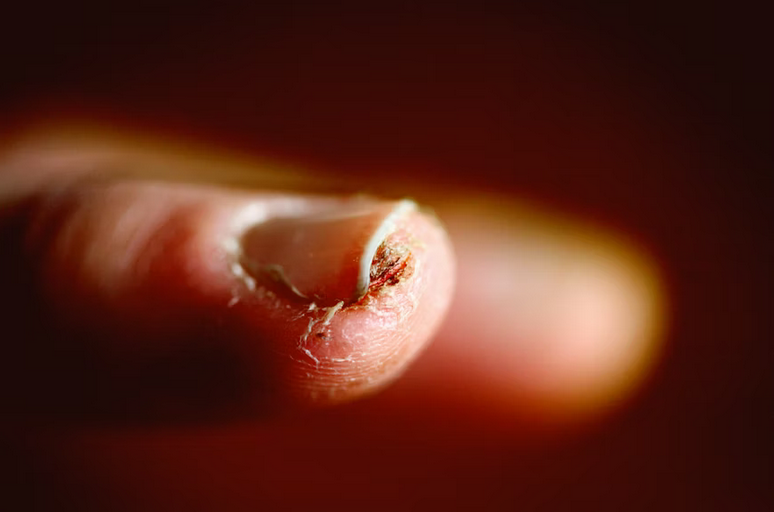
Managing eczema can be challenging, especially when flare-ups seem to appear without warning and disrupt daily comfort. Many people struggle to identify the specific triggers that worsen their symptoms, from environmental factors to skincare habits. Treatments are often discussed in conversations about soothing irritation, but understanding what causes flare-ups in the first place is just as important as managing them safely. By recognizing common triggers and learning how to avoid or reduce exposure, you can take more control over your skin’s health and minimize discomfort. This introduction leads into practical guidance for identifying triggers and handling eczema flare-ups more effectively.
Personal Care Products and Fabrics
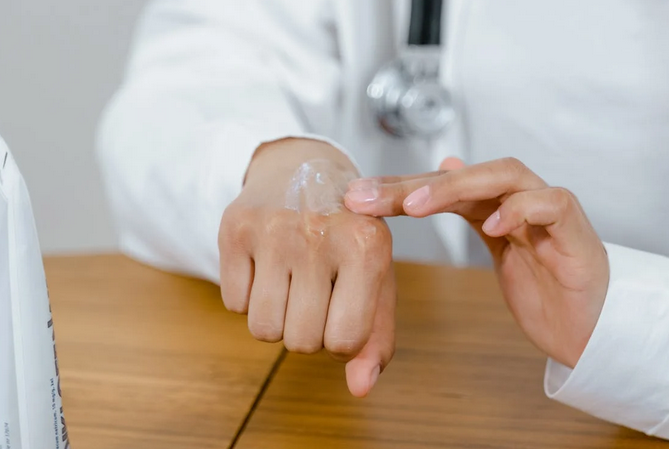
Products meant to help the skin can sometimes cause more harm than good. Soaps with harsh ingredients wash away natural oils, weakening the skin barrier and increasing irritation. Choosing mild, fragrance-free cleansers and moisturizers gives the skin the support it needs. Applying moisturizer immediately after bathing helps trap hydration and prevent dryness from creeping in throughout the day. Clothing can also aggravate eczema. Rough fabrics like wool or synthetic fibers cause friction, leading to itching and redness. Choosing breathable cotton or soft blends reduces irritation. Washing new clothes before wearing them removes chemicals that may cause reactions. Paying attention to the fabrics closest to your skin helps keep flare-ups from being triggered by your wardrobe.
Environmental Irritants
Environmental irritants can be sneaky because they blend into everyday life. Cold, dry air pulls moisture from the skin, making it feel tight and sensitive. Indoor heating can worsen dryness, leaving eczema-prone skin even more reactive. Sudden temperature changes also stress the skin barrier, which leads to itching and redness. Simple steps like using a humidifier and layering clothing gently help keep moisture in place during harsh seasons. Fragrances in cleaning products, air fresheners, and perfumes are another common trigger. These strong scents may feel harmless, but they often irritate sensitive skin. Switching to fragrance-free detergents and gentle household products reduces unnecessary exposure. Making small changes to your home environment makes a noticeable difference in keeping flare-ups under control.
Stress, Allergens, and Diet

Stress is often underestimated, yet it plays a big role in eczema flare-ups. Emotional tension can lead to hormonal changes that affect the skin. Practicing calming routines such as deep breathing, stretching, or simple quiet moments throughout the day reduces stress-related irritation. Even small mindfulness habits help create steadier skin days. Allergens such as dust mites, pollen, or certain foods may also cause eczema to worsen. Keeping bedding clean and reducing dust build-up helps limit reactions. If food sensitivities are suspected, keeping a journal makes patterns easier to spot. Working with a healthcare provider ensures you identify triggers safely without unnecessary restrictions.
Managing eczema flare-ups safely starts with understanding what irritates your skin. Environmental factors, personal care products, fabrics, stress, and allergens all play a role in how skin behaves. By adjusting habits, choosing gentle products, and paying closer attention to reactions, you create a calmer environment for your skin. These small efforts build a healthier daily routine that keeps flare-ups more manageable and less frequent. Consistency is the key to helping your skin stay comfortable through changing seasons and shifting stress levels.