Why Belly Fat Is Harder to Lose Than Other Fat
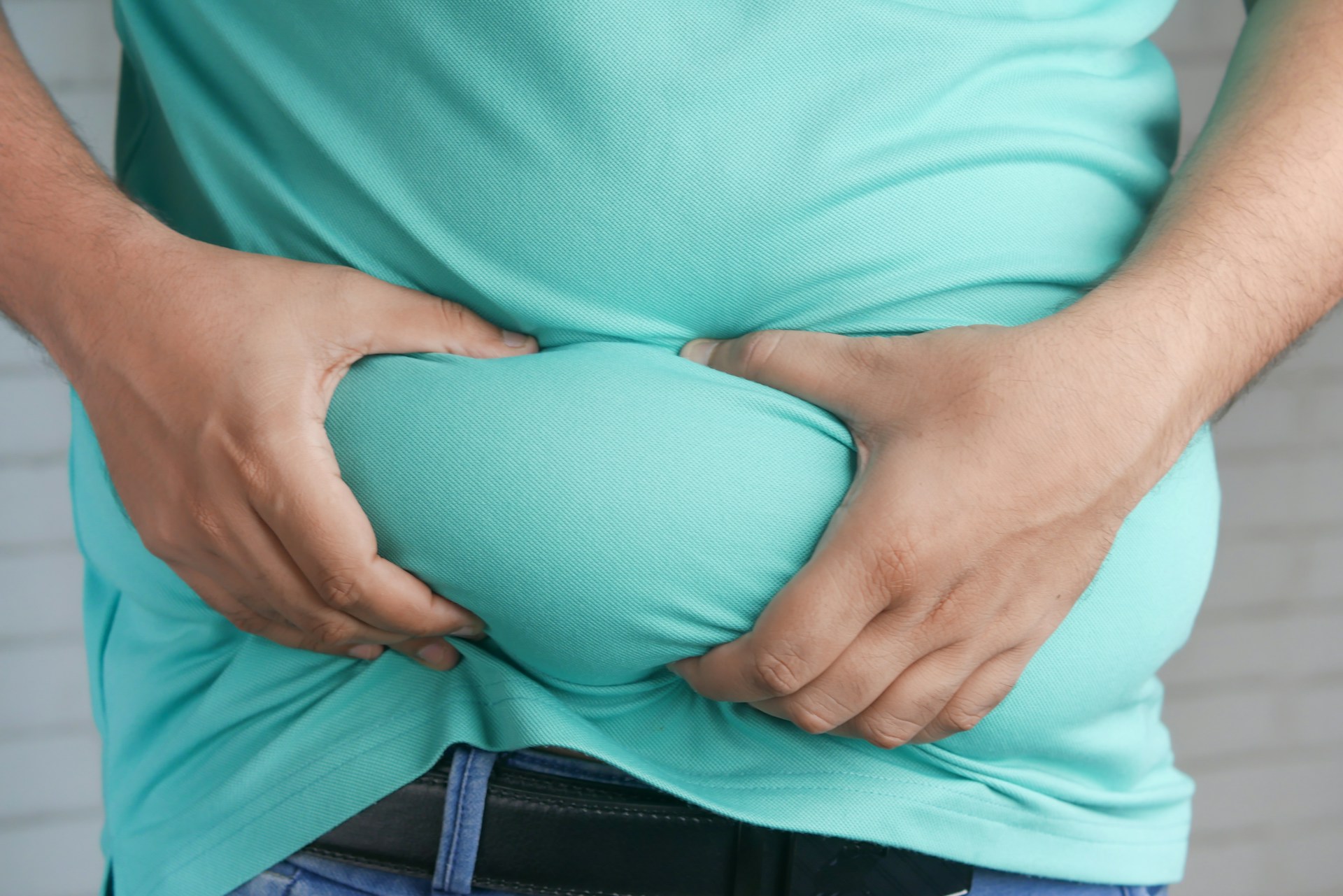
Belly fat is often the most stubborn type of fat to shed, and many people find it more frustrating than fat in other areas like the arms, legs, or hips. This type of fat is not just a cosmetic concern; it can also affect metabolic health, energy levels, and overall wellness. Unlike other fat deposits, the abdominal area responds more slowly to diet and exercise changes due to a combination of hormonal, cellular, and lifestyle factors. Many people turn to solutions like Burn Slim as part of their approach to reduce belly fat, seeking extra support alongside exercise and nutrition adjustments. Understanding why belly fat resists reduction can guide smarter habits, prevent frustration, and accelerate results safely.
Hormonal Influence
Hormones are a primary reason belly fat is difficult to lose. Cortisol, the stress hormone, signals the body to store fat around the abdomen as a survival mechanism. High stress levels or poor sleep amplify this effect, making fat deposits in this area more persistent. Additionally, insulin sensitivity plays a role. When insulin spikes frequently due to high sugar or refined carbohydrate intake, fat storage in the abdominal region increases. Men and women also have different hormonal patterns affecting belly fat accumulation, meaning the same routines may produce varied results depending on biological factors. Addressing stress, sleep quality, and balanced meals can help moderate hormonal influence over time.
Higher Proportion of Visceral Fat
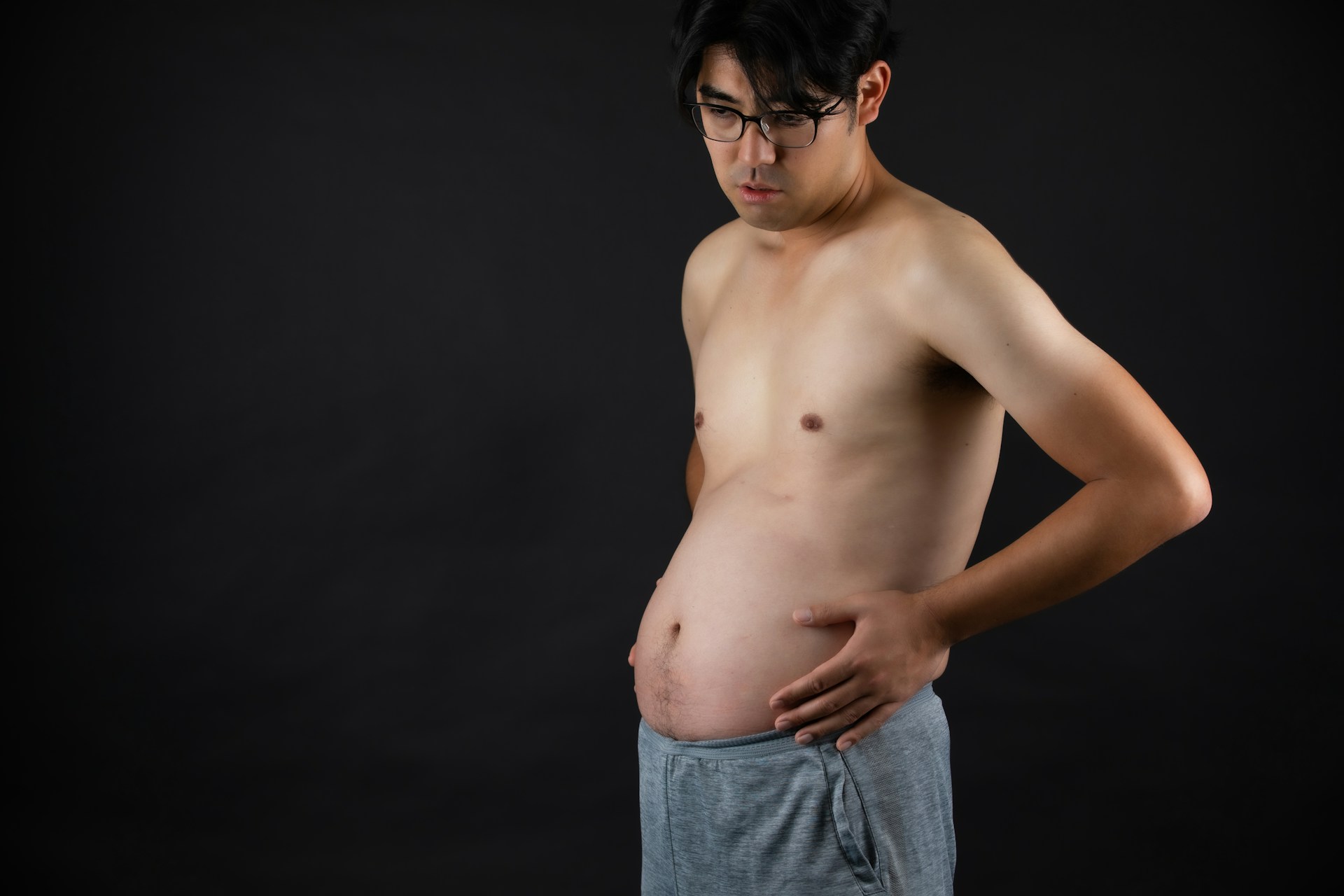
Belly fat contains a higher proportion of visceral fat, which surrounds internal organs. Unlike subcutaneous fat found under the skin in other areas, visceral fat is metabolically active and harder for the body to access for energy. This type of fat produces chemicals that can affect hormones and inflammation, further slowing fat loss in the abdominal region. Standard dieting may reduce overall fat, but belly fat often lingers because the body prioritizes other fat deposits first. Understanding the difference between visceral and subcutaneous fat helps explain why visible results in the midsection can take longer to appear despite consistent effort.
Fat Cell Structure and Blood Flow
Fat cells in the abdominal area have different structures and blood flow characteristics compared to other body parts. These cells are more resistant to the enzymes that break down fat for energy. Additionally, blood flow to belly fat is comparatively lower, making it harder for the body to transport fatty acids from this region during exercise. This physiological feature means that even with consistent workouts, belly fat can remain intact while fat from other areas reduces more quickly. Combining aerobic activity with strength training can improve circulation and enzyme activity, gradually supporting belly fat reduction over time.
Lifestyle and Diet Patterns
Long-term habits strongly affect belly fat accumulation. Diets high in refined sugars, processed foods, and alcohol promote fat storage around the midsection. Sedentary behavior also encourages abdominal fat retention, as the body stores energy that isn’t used for movement. Even subtle patterns, like eating late at night or skipping breakfast, can influence belly fat over weeks and months. Small, consistent adjustments—like increasing protein intake, consuming fiber-rich foods, and adding short movement sessions throughout the day—can help the body mobilize abdominal fat more effectively, even if progress feels slow at first.
Age-Related Changes

Age can further complicate belly fat reduction. Metabolic rate declines with age, and hormone levels such as estrogen and testosterone shift, altering where the body stores fat. Muscle mass may also decrease, lowering daily calorie expenditure and making fat loss more challenging. This combination often results in a slower response to traditional diet and exercise approaches compared to younger years. Incorporating resistance training, maintaining adequate protein intake, and focusing on nutrient-dense foods can counteract some of these age-related effects and support belly fat loss more efficiently.
Belly fat is harder to lose than fat in other areas due to a mix of hormonal, cellular, lifestyle, and age-related factors. Cortisol, insulin, visceral fat, fat cell structure, diet, and declining metabolism all contribute to its persistence. Understanding these influences allows individuals to adjust strategies realistically, rather than expecting immediate results. Consistent exercise, balanced nutrition, stress management, and lifestyle awareness work together to support gradual reduction. Patience, persistence, and well-informed habits provide the best pathway to lowering abdominal fat while maintaining overall health and energy levels.…