
Why Some Bodies Respond Faster to Strength Training
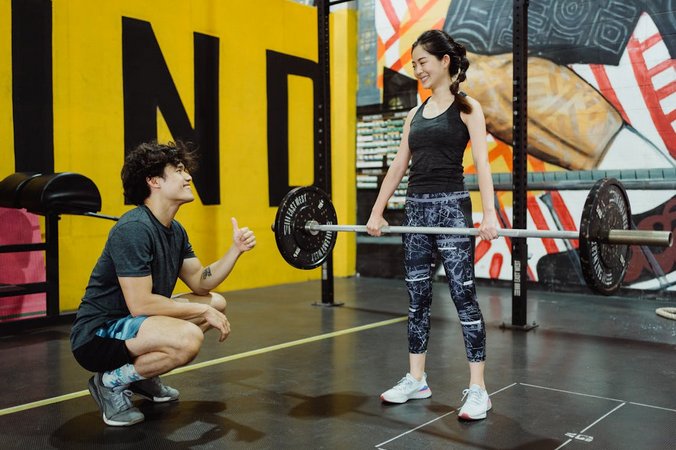
Walk into any gym and the contrast is obvious. Two people follow similar routines, lift similar loads, and eat roughly the same foods, yet one shows rapid strength gains while the other progresses at a slower pace. This difference often sparks frustration, confusion, or even self-doubt. The truth is that strength training results are shaped by several underlying factors that go far beyond effort alone. Much like how scientists study planetary spacing to explain why celestial bodies develop differently—such as asking what is the distance between neptune and uranus to understand formation patterns—fitness progress also depends on positioning, timing, and internal conditions. Strength training success is not random; it follows patterns influenced by biology, habits, and structure.
Genetics and Muscle Fiber Composition
One of the biggest reasons some bodies respond faster to strength training is genetics. Muscle fibers generally fall into two categories: fast-twitch and slow-twitch. Fast-twitch fibers generate power quickly and respond well to heavy lifting and explosive movements. People with a higher proportion of these fibers often see quicker increases in strength and size. Slow-twitch fibers, on the other hand, favor endurance and sustained effort. Individuals with more slow-twitch fibers may still gain strength, but the timeline often stretches longer. This genetic setup does not limit success; it simply changes the pace. Comparing progress without accounting for biology leads to unrealistic expectations and unnecessary disappointment.
Training History and Movement Experience
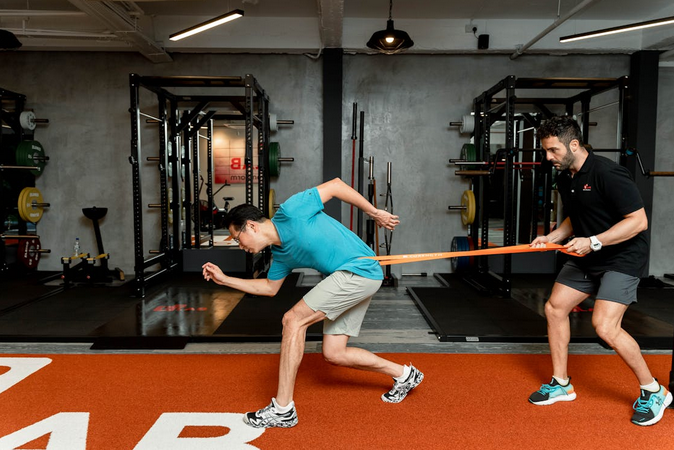
Bodies that have been exposed to physical training in the past tend to respond faster when strength work begins again. This is often referred to as muscle memory. Even after long breaks, the nervous system recalls movement patterns, coordination improves rapidly, and muscles re-adapt faster than they did the first time. Someone new to resistance training may need weeks just to master proper form, balance, and control. During this stage, gains appear modest. Meanwhile, a person with prior athletic experience often moves through this phase quickly, allowing visible progress to surface sooner. This difference has nothing to do with effort levels and everything to do with past exposure.
Nervous System Efficiency
Strength is not only about muscle size; it also depends on how well the nervous system communicates with muscles. Faster responders often develop neural efficiency quickly, meaning their brains learn how to recruit more muscle fibers at the right moment. Early strength gains frequently come from improved coordination rather than muscle growth. Lifts feel smoother, balance improves, and force output increases without major changes in body appearance. Some nervous systems adapt faster than others, which explains why certain people add weight to the bar rapidly while others need more repetition and time to reach the same point.
Recovery Capacity and Lifestyle Factors

Training breaks muscles down; recovery builds them back up. Sleep quality, daily stress, hydration, and nutrition all influence how fast the body repairs itself. People who rest well and maintain steady routines often see quicker progress because their bodies can adapt between sessions. Poor sleep, high stress, or inconsistent eating slows the recovery cycle. Even with perfect workouts, progress stalls when the body lacks the resources to rebuild. Two people can train side by side, but the one sleeping seven to eight hours regularly will likely outpace the one running on fatigue. Recovery capacity quietly shapes outcomes more than most routines do.
Program Structure and Load Progression
How training is organized also affects response speed. Gradual increases in resistance, logical exercise order, and balanced volume help the body adapt without overload. Some individuals respond well to higher frequency, while others improve faster with fewer sessions and more rest days. Programs that jump weights too fast or ignore rest can slow progress or lead to setbacks. Bodies that respond faster often happen to be paired with routines that match their tolerance levels. This alignment creates steady gains, while mismatched programs produce plateaus that feel mysterious but are often predictable.
Strength training progress varies because bodies differ in biology, experience, recovery ability, and response to structure. Faster results do not signal superiority, and slower progress does not indicate failure. Each body follows its own timeline shaped by internal systems and external habits. Understanding these differences helps shift focus away from comparison and back to consistency. When training aligns with personal capacity and patience replaces urgency, progress becomes sustainable, measurable, and far more satisfying over time.…





 The last reason people fail to lose weight is due to skipping meals. Skipping meals can be counterproductive for your diet since it slows down the metabolism and increases hunger levels, which leads to overeating and snacking. Additionally, when you skip meals, your body goes into starvation mode where it holds onto fat instead of burning it off. So, make sure you are eating regular meals throughout the day to stay on track with your diet and reach your weight loss goals. If you are feeling hungry in between meals, try having healthy snacks such as fruits or nuts, instead of indulging in unhealthy foods that can add up quickly. Many are guilty of this, which is why it’s important to stay mindful and stick to your meal plan.

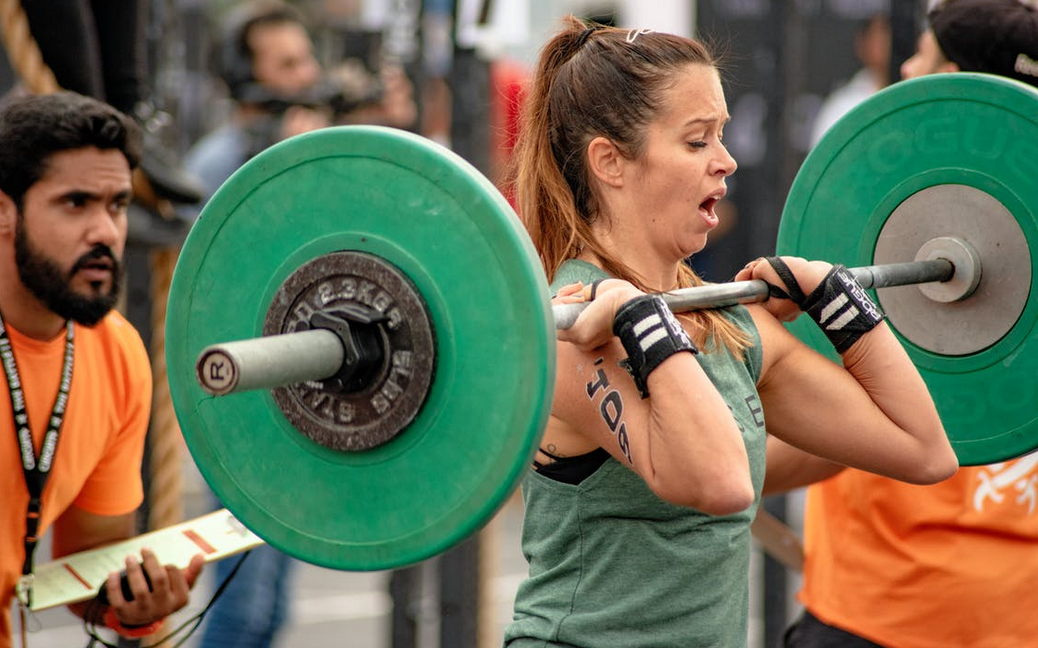 One of the most important factors to consider when choosing lifting straps is the material they are made out of. This is because the fabric will determine how comfortable the straps are to use, as well as how durable they are. The most common materials used for lifting straps are nylon and leather.
 Being an instructor is a job, and like other jobs, you have to get trained. You will spend time in fitness classes doing fitness courses so that you can pass your certification. As an instructor you want your trainees to have faith in you. Nothing will make them believe in you other than showing that you are a professional in that field. Being a professional here will start with having proper certifications.
 You might be professional, knowledgeable physically fit but all that won’t matter if you can’t motivate. While you are used to getting sweaty in training sessions, most people are not. As a fitness instructor, you will come across people who will want to quit the sessions just from the first training. The only thing that will save them from quitting is your ability to motivate.