
Integrating Physical, Mental, and Emotional Health in Senior Care
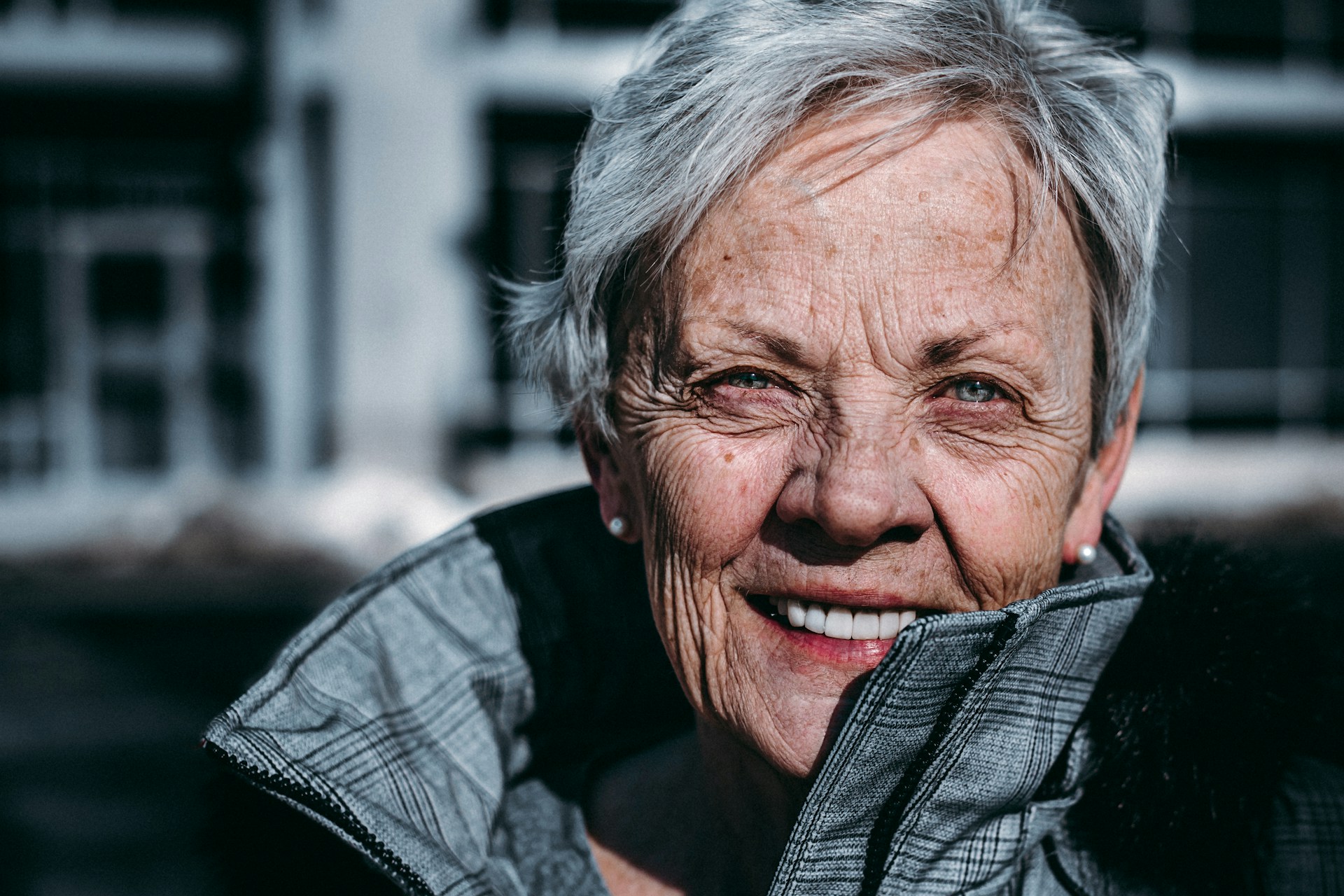
Caring for seniors requires more than meeting basic needs. It calls for an approach that supports the whole person. Seniors experience life changes that can affect their bodies, minds, and emotional stability. A thoughtful plan helps them stay engaged and confident. It also promotes better long-term wellness. A senior’s well-being grows when physical, mental, and emotional needs work together. This unified approach creates balance and comfort.
Understanding Holistic Senior Wellness
Holistic care looks at the bigger picture. It treats every aspect of wellness as connected. When one area is ignored, the others may struggle. A strong foundation starts with daily routines that strengthen mobility, encourage mental clarity, and provide emotional comfort. This method feels natural and supportive. It also brings a unique advantage because it respects each senior’s individuality.
Supporting Physical Health Through Routine Activities
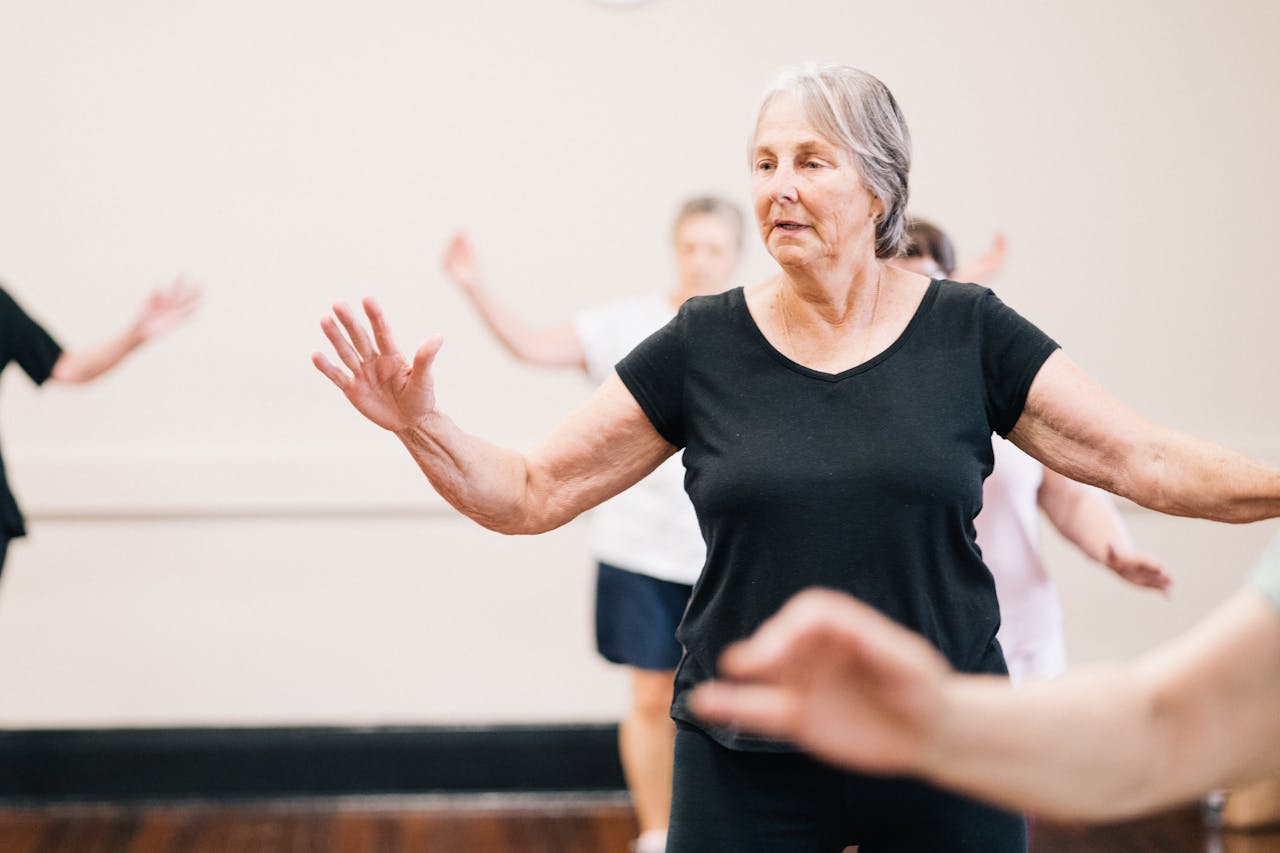
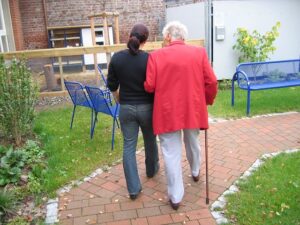
Physical health is a key pillar. Many seniors face mobility challenges, chronic pain, or reduced strength. Gentle routines help maintain balance and flexibility. Walking, stretching, or simple strength exercises keep the body active. Nutritious meals also support healthier aging. Movement improves mood and boosts confidence. The goal is consistency rather than intensity. Loved ones and caregivers should ensure that seniors feel safe and supported every step of the way.
Encouraging Mental Sharpness and Cognitive Strength
Mental health shapes how seniors think, respond, and solve problems. As people age, their memory and focus may shift. Activities like puzzles, reading, or new hobbies stimulate the mind. Social interaction also strengthens cognitive health because conversation keeps the brain active. Seniors benefit from learning something new, even in small ways. A curious mind stays resilient. This approach helps maintain identity and independence.
Nurturing Emotional Well-Being Through Connection
Emotional health matters just as much as physical strength. Seniors often face life transitions that bring loneliness or stress. Supportive relationships create comfort. Meaningful conversations, shared laughter, and small gestures bring warmth to daily life. Emotional well-being grows when seniors feel seen, heard, and valued. Caregivers play an important role by listening with patience. By doing so, they offer the utmost comfort and reassurance.
Creating a Supportive Environment at Home
A supportive environment ties all areas of wellness together. A calm and organized space reduces stress and encourages independence. Good lighting, clear walkways, and familiar items offer a sense of security. Daily routines become easier and more enjoyable. Adding elements like music, nature, or soft colors helps create peace. A well-prepared home allows seniors to relax and thrive, making care feel natural rather than forced.
Balancing Independence and Assistance
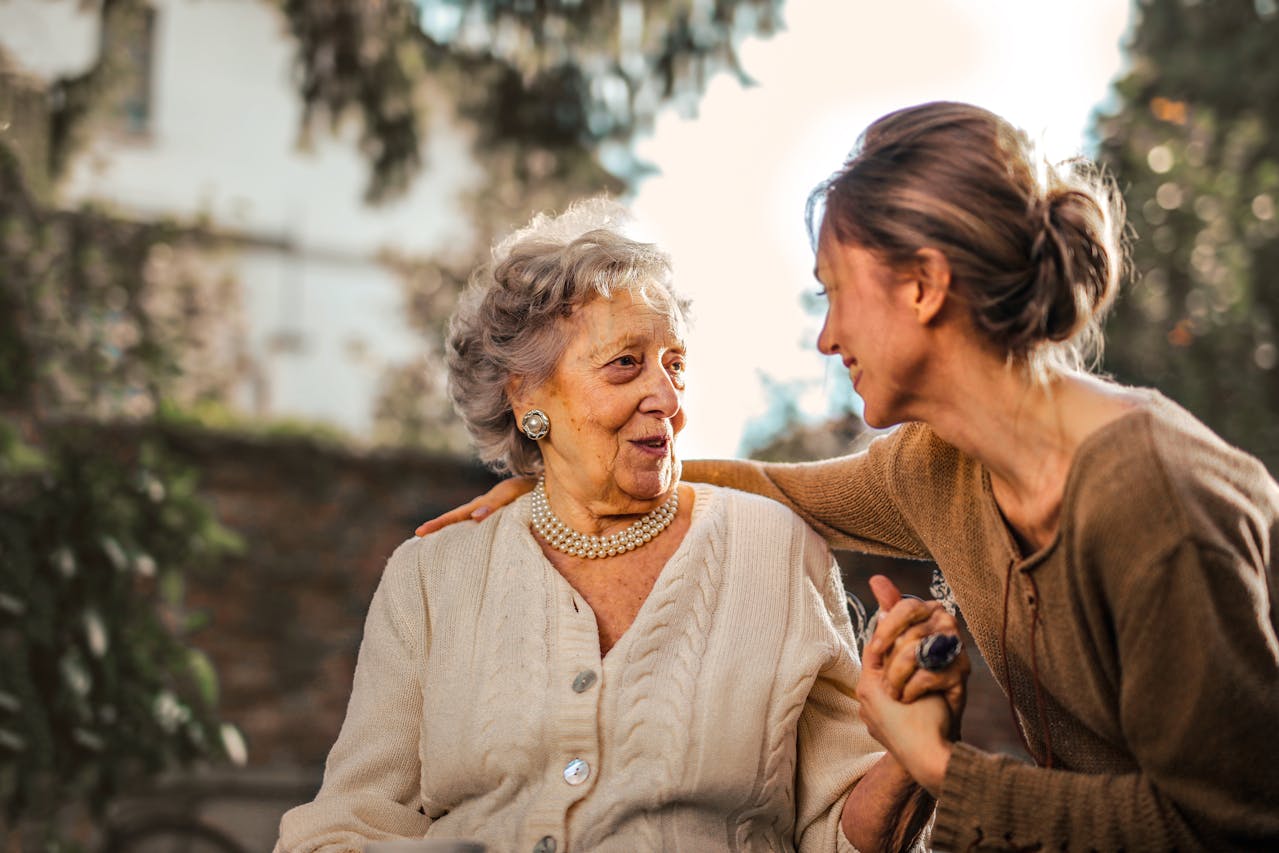
Seniors want independence. They want to feel capable and respected. Providing the right balance of support helps maintain dignity. Caregivers should step in only where necessary. Encourage seniors to handle tasks they can manage on their own. This balance empowers them. It builds trust and prevents frustration. Over time, seniors learn they can rely on support without losing their sense of self.
Building a Unified Care Plan for Long-Term Success
A unified care plan brings physical, mental, and emotional elements together. Each part works toward one shared goal: preserving quality of life. Regular check-ins help track changes and improve care. Open communication among family members and caregivers keeps everyone aligned. A flexible plan adapts as needs evolve. By reviewing progress and adjusting as needed, seniors receive care that grows with them. This thoughtful approach creates long-term stability.
Integrating physical, mental, and emotional health creates a strong foundation for senior care. Each area influences the others. A balanced plan helps seniors feel supported, engaged, and secure. By focusing on the whole person, caregivers create meaningful experiences that enrich daily life. It is a compassionate and practical way to honor aging and promote well-being.…
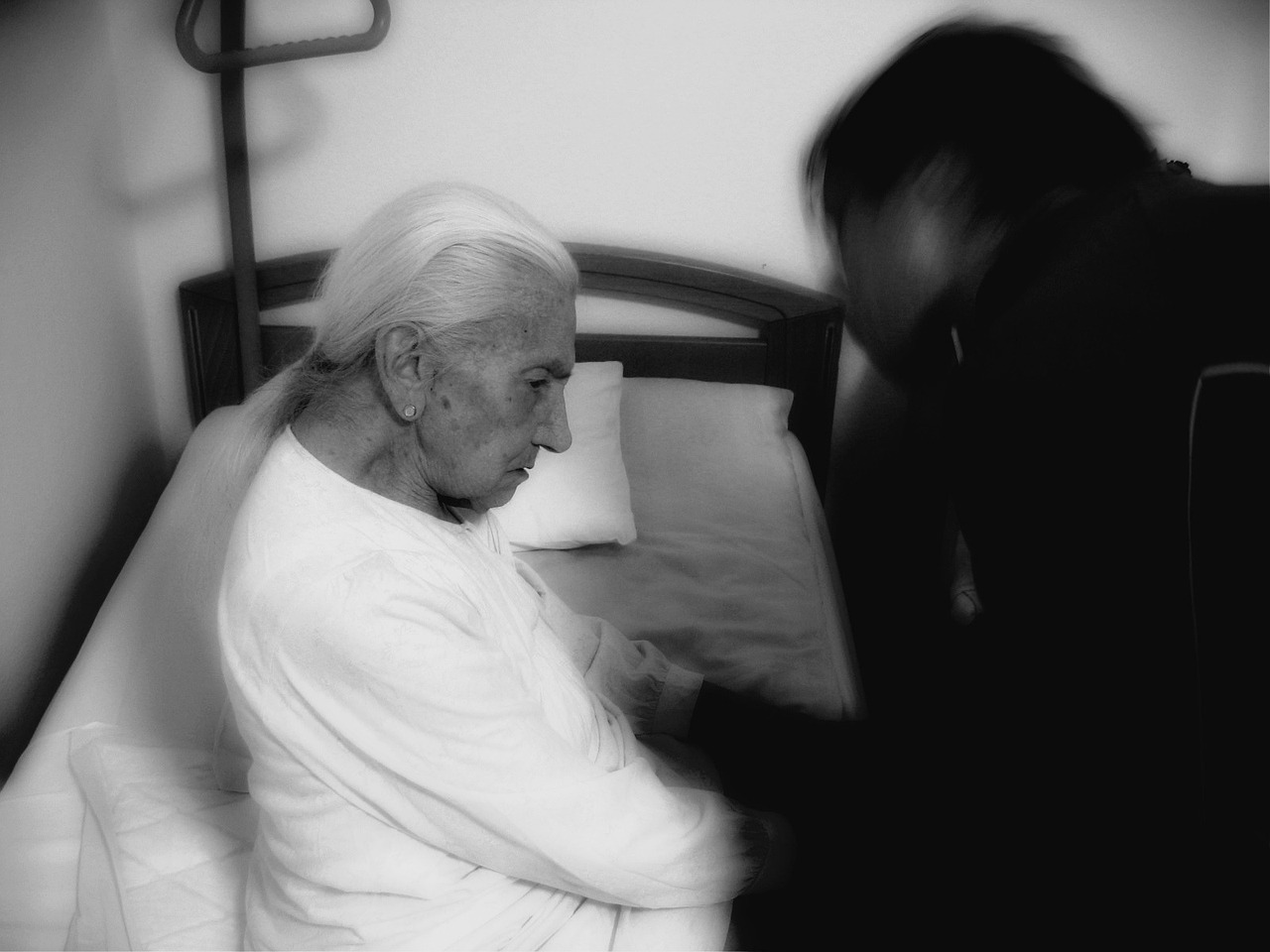
 Alternative therapies, also known as complementary or integrative medicine, refer to practices and treatments not considered part of conventional Western medicine. These may include practices such as acupuncture, massage therapy, herbal remedies, meditation, and yoga. While some alternative therapies have been around for centuries, others are relatively new and based on emerging research.
 Integrating alternative therapies into senior care enriches the overall experience, promoting a holistic approach to health and wellness. By incorporating diverse therapies, seniors can embrace a range of methods to support physical, mental, and emotional well-being, fostering a more fulfilling and balanced lifestyle in their golden years.